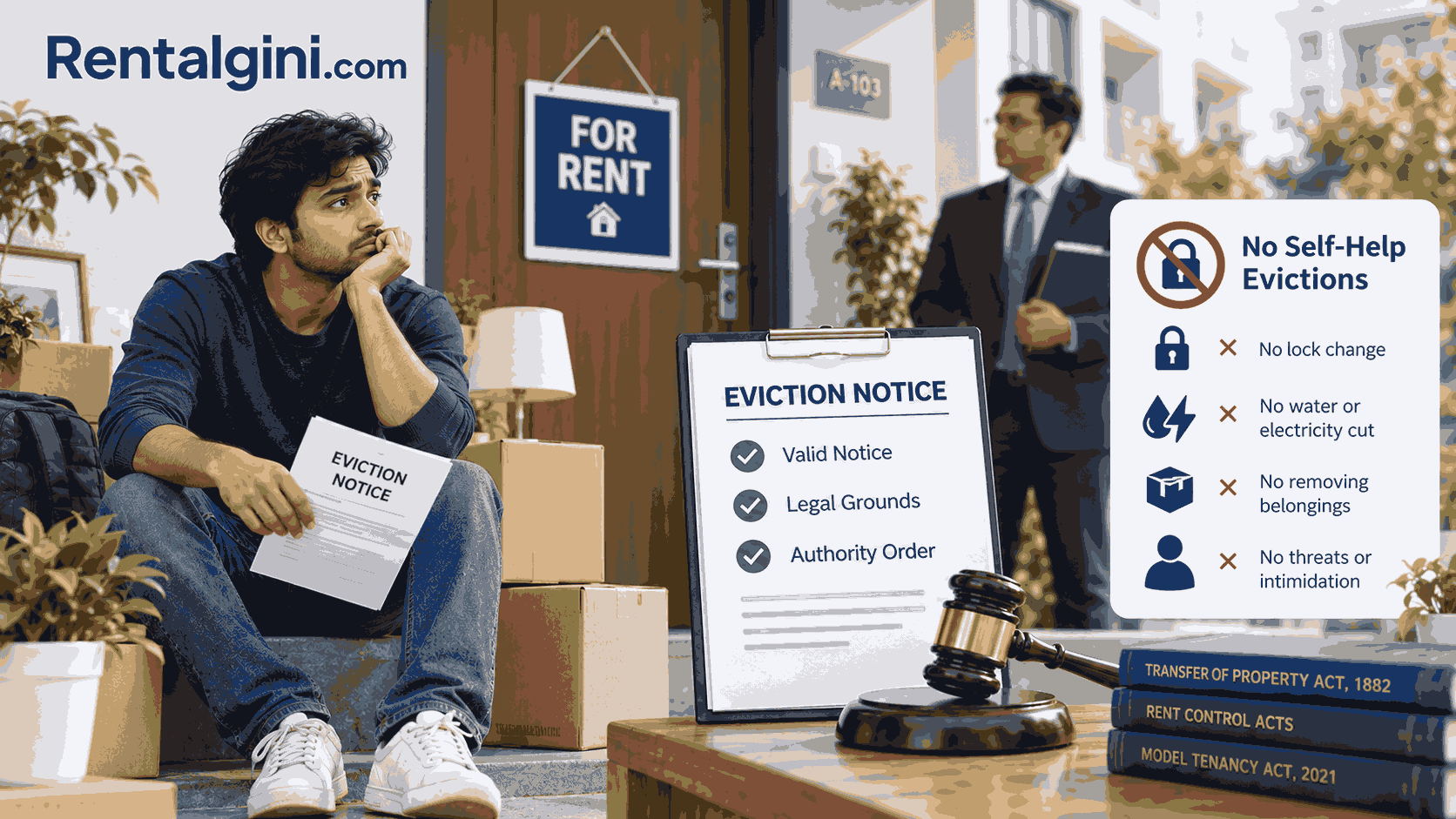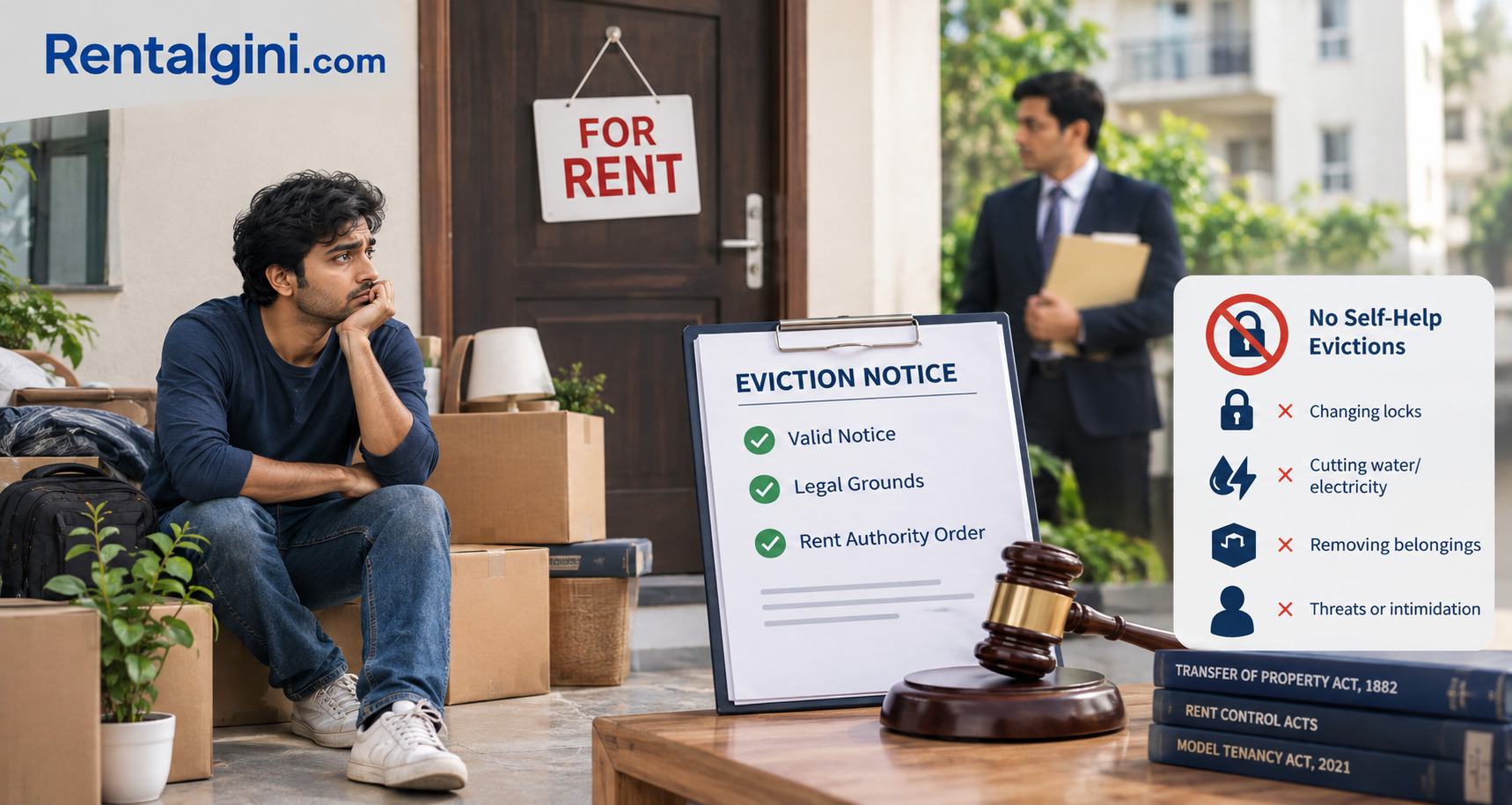
- A difficult tenant should be handled according to the exact breach rather than through self-help eviction.
- Landlords should preserve agreements, payment records, messages, photographs, notices and other evidence.
- Changing locks, cutting essential services or removing a tenant personally can create a separate legal dispute.
It’s frustrating when a tenant delays the payment. But what’s even more frustrating is when a tenant who stops paying, damages the property, sublets without permission, creates nuisance, or refuses to leave. Such difficult tenants can turn a rental property into a legal headache.
The solution isn’t to change the lock or cut the electricity. When dealing with problematic tenants, you need to be extra cautious. Doing something unethical will only lead you in problems.
The right approach may be to identify the actual breach, preserve evidence, issue the right notice, and use the legal forum that applies to your property. However, your action will depend on the situation. Let’s walk through this blog to know which mistakes you should avoid and what you can actually do!
How to Know If Your Tenant is “Difficult”?
The tenant’s specific conduct decide if he/she is problematic or not. Before taking action, you need a valid legal ground.
Under the Transfer of Property Act and various state Rent Control Acts, you can initiate eviction if the tenant:
- Fails to pay rent for more than 15 days after the due date.
- Sublets the property to someone else without your written permission.
- Uses your residential property for commercial activities.
- Intentionally damages the property.
- Disturbs neighbours by creating public nuisance.
- Has been involved in unlawful or criminal activities.
However, there is no single eviction procedure for every Indian rental. The Model Tenancy Act, 2021 is also just a model framework sent to states for adoption. It’s not a central tenancy law that automatically governs every tenancy, so unfortunately you might not directly evict the tenant from your property.
5 Smart Tips to Help You Get Rid of Difficult Tenant
When you’re finally pissed from your tenant and want them to get out of your property, here’s what you should actually do.
Tip 1: Check the Rent Agreement and State Law
Revisit the rent agreement you both have signed on at the starting of the tenancy.
Look for the tenancy period, termination rules, rent terms, and other clauses specifying the conditions when damage, subletting, or unethical use of property. Figure out if the tenant has broken the clauses.
If yes, follow the next steps.
Tip 2: Build a Proper Evidence File
This plays important role when landlord-tenant disputes go wrong.
Keep a digital and hard copy of all important evidences like:
- Rent Agreement
- Rent Ledger
- Bank or UPI Records
- Emails or WhatsApp Messages
- Photographs
- Inspection Notes
- Repair Estimates & Bills
- Copies of Notices
Tip 3: Send a Clear Written Notice
Under the Section 106 of the Transfer of Property Act, 1882, you can send your tenant a 15-day default notice to vacant the place.
However, the State laws can be very different.
For example, in Rajasthan, Section 9 of the Rajasthan Rent Control Act, 2001 includes 4 months’ rent default as a ground, subject to a demand notice and a 30-day opportunity to pay. Check your states rules and take action accordingly.
In your notice, do not forget to state all the problems that you have faced with your tenant. Also mention rent arrears, or other dues where relevant, and clearly mention what your demands from the tenant and by which date they should be completed.
Use a delivery method that preserves proof of service. You may hire an advocate to tailor the notice as per your state rules, agreement, and facts.
Tip 4: Try a Written Settlement
If you do not want to get into any legal mess, this is the safest approach to take.
Try to communicate with your tenant in person and negotiate a payment plan, move-out date, or handover terms. If they agree, put the settlement in writing, including the date, dues, and property condition.
Tip 5: File the Right Case if the Problem Continues
Some tenants are really difficult to handle. In such situation, you can file an eviction petition and go for further rent-control proceeding or civil suit, depending on your specific state rules.
Where a state has adopted a Model Tenancy Act-style system, disputes can involve a Rent Authority, Rent Court and Rent Tribunal.
You may also seek recovery of unpaid rent and other legally recoverable amounts. Courts have awarded arrears alongside eviction, but the remedy depends on the governing law and facts. Check here for more information.
Important Tip: Always submit your tenant’s details to the local police station before they move in. Bad tenants deliberately avoid properties that require police verification.
Can You Take Help from the Police?
For an ordinary rent default, don’t expect the police to decide who gets possession. The Supreme Court has held that failure to pay rent can have civil consequences but does not, by itself, make out offences such as cheating or misappropriation under the IPC.
A genuine criminal issue is different. It includes:
- Threats
- Assault
- Theft
- Vandalism
- Fraud
In such cases, you can file a police complaint and share all the evidences to keep your part stronger.
How Long Does It Take to Legally Evict a Tenant in India?
A civil suit can take anywhere from 1 to 5 years, depending on the court's backlog. This is why a solid rent agreement and a strong legal notice are your best weapons for a quick out-of-court settlement.
What Should A Landlord Never Do?
The property is yours that doesn’t mean you can do whatever you want to do with the tenant. Even if you are stressed from your tenant, do not take any unethical action like changing locks, removing belongings, cutting water or electricity supply, threatening the tenant, publicly humiliating them, or entering the home without information or permission, and breaching their privacy.
Final Takeaway
The most useful mindset is to stop treating “difficult tenant” as one legal problem. Identify the exact breach, document it, issue the correct notice, avoid self-help eviction, and use the forum prescribed by the law that applies to your property.
A rental dispute can become much more expensive when a landlord creates a second dispute by trying to remove the tenant personally.

Saloni Jain
Content WriterSaloni Jain contributes practical rental and real estate guidance for RentalGini.
Want more tenant enquiries?
List your space on RentalGini and help renters compare your property with clear details.