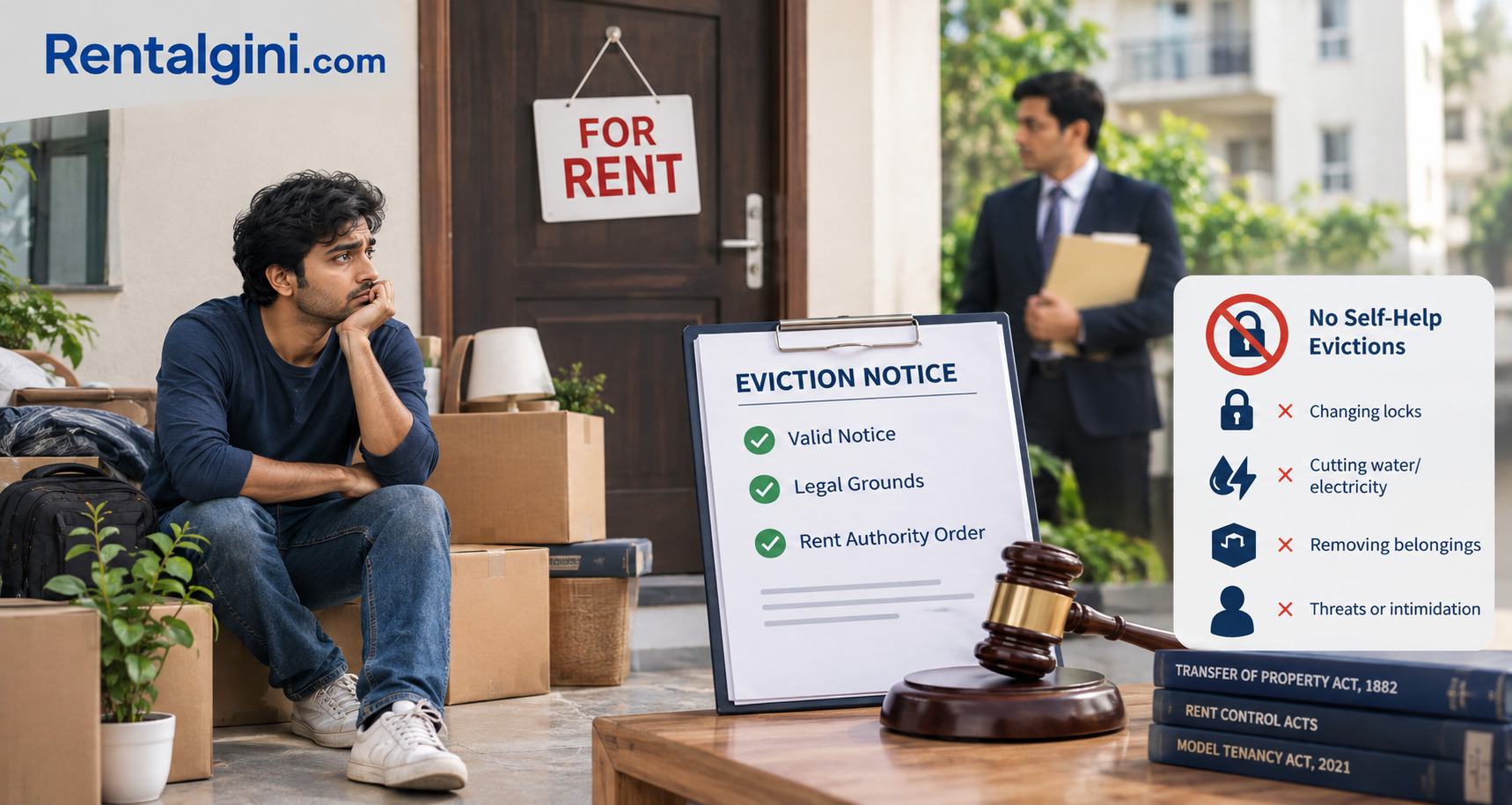
- Treat the property as an asset: Distinguish expected wear and tear from deliberate damage, and maintain professional boundaries[cite: 1].
- Verify thoroughly: Don't rely on initial rapport[cite: 1]; verify income slips, LinkedIn profiles, landlord references, and police verification[cite: 1].
- Draft clear agreement terms: Document maintenance cost thresholds, a 6-month lock-in, RWA compliance, and scheduled inspection protocols[cite: 1].
Buying a property is an emotion, but renting it out is deeply personal[cite: 1]. For most first-time landlords, the decision feels overwhelming[cite: 1]: What if the tenant damages the flat[cite: 1]? What if they refuse to vacate[cite: 1]? How do I collect rent every single month without constant friction[cite: 1]?
The Indian rental market has moved far beyond informal handshakes and boilerplate contracts[cite: 1]. Rental scams and problematic tenancies can quickly turn an investment into a headache[cite: 1].
Treating your property as a professional asset rather than an extension of your emotions is the key to protecting your cash flow, preserving property value, and maintaining your peace of mind[cite: 1]. Follow these five essential steps to manage your tenancy smoothly from day one[cite: 1].
- Treat the property as an asset: Distinguish expected wear and tear from deliberate damage, and maintain professional boundaries[cite: 1].
- Verify thoroughly: Don't rely on initial rapport[cite: 1]; verify income slips, LinkedIn profiles, landlord references, and police verification[cite: 1].
- Draft clear agreement terms: Document maintenance cost thresholds, a 6-month lock-in, RWA compliance, and scheduled inspection protocols[cite: 1].
- Document pre-move-in state: Maintain a signed appliance inventory with date-stamped photo records to avoid exit deposit disputes[cite: 1].
- Centralize dues and understand taxes: Collect society maintenance directly with rent, and utilize Section 24 deductions for rental tax efficiency[cite: 1].
Step 1: Think of Your Property as an Asset, Not a Home
Staying emotionally tied to the property invites conflict[cite: 1]. You cannot expect a tenant to treat your rental with the identical reverence you do[cite: 1]. Keep these operational realities in mind:
- Wear and tear is inevitable: Normal aging like paint fading, minor wall discoloration, small leaks, or switchboards wearing out are routine depreciation points, not willful damage[cite: 1].
- Vacancies cost more than modest negotiation: If a tenant negotiates for ₹2,000 - ₹3,000 off a ₹30,000 listing, it is far more profitable to close the lease than leave the flat vacant for two months[cite: 1].
- Firm boundaries beat excessive friendliness: Being overly casual makes future follow-ups for delayed rent or repair discussions awkward[cite: 1]. Maintain a cordial, strictly professional tone[cite: 1].
Step 2: Screen Your Tenants Thoroughly - Look Beyond Good Vibes
A pleasant conversation during a ten-minute walkthrough will not reveal a tenant's reliability[cite: 1]. Look past gut impressions and complete structured background verification[cite: 1]:
- Verify income and employment: Collect recent employment details, the latest three months of salary slips or Form 16, and check professional profiles like LinkedIn to confirm employment history[cite: 1].
- Mandatory police verification: Complete official tenant police verification online or via your local station to confirm genuine identity details[cite: 1].
- Speak with previous landlords: If they previously rented in the city, find out why they moved and call their previous landlord directly for references[cite: 1].
Step 3: Prepare a Solid Rental Agreement
A legally sound agreement provides standard operating rules for both parties[cite: 1]. Avoid ambiguous clauses by addressing these four critical terms explicitly[cite: 1]:
| Clause | Why It Matters | Specific Detail to Include |
|---|---|---|
| Maintenance Split[cite: 1] | Avoids monthly arguments over repair bills[cite: 1] | Tenant pays for day-to-day minor fixes under INR 1,000 (fuses, tap washers, minor clogging); Owner covers structural issues, major seepage, and foundational plumbing[cite: 1]. |
| Notice Period & Lock-in[cite: 1] | Protects income predictability[cite: 1] | Standard 1-month notice with a mandatory 6-month lock-in period[cite: 1]. Leaving during the lock-in forfeits that portion of the security deposit[cite: 1]. |
| Society Rules Compliance[cite: 1] | Prevents RWA fines and friction[cite: 1] | The licensee must abide by all Apartment Owners Association (AOA/RWA) bylaws regarding pets, parking spots, noise, and visitor timings[cite: 1]. |
| Inspection Protocol[cite: 1] | Balances asset checks with tenant privacy[cite: 1] | Landlord retains the right to inspect the property with at least 24 hours' prior written notice at reasonable daytime hours[cite: 1]. |
Step 4: Set the Pre-Move-In Condition Straight
Disputes over security deposits during move-out almost always originate from poorly documented initial conditions[cite: 1]. Protect your deposit resolution process before the tenant unpacks[cite: 1]:
- Fixture & Appliance Inventory Form: Record every ceiling fan, light fixture, geyser, AC remote, and set of access keys[cite: 1].
- Joint sign-off: Walk through the flat together and have both parties date and sign the checklist on move-in day[cite: 1].
- Single source of truth: Take high-resolution photos and walkthrough videos showing existing wall marks and fixture conditions, then store them in a shared Google Drive folder accessible to both sides[cite: 1].
Step 5: Streamline Rent Collection, Society Dues, and Taxes
Establish clear payment workflows to avoid regular financial follow-ups[cite: 1]:
- Set a fixed monthly window: Mandate rent payment between the 1st and 5th of each month, and state late penalty clauses in the agreement[cite: 1].
- Handle RWA dues directly: To ensure maintenance defaults don't trigger society penalties against you, collect a single consolidated rent amount and pay the association directly[cite: 1].
- Plan for rental tax deductions: Rental income is taxed under "Income from House Property"[cite: 1]. Take advantage of the standard 30% statutory deduction for upkeep, municipal tax deductions, and home loan interest benefits under Section 24b[cite: 1].
Final Thoughts
A peaceful tenancy starts well before the tenant moves in[cite: 1]. Set clear expectations, record existing property conditions thoroughly, and maintain a professional relationship right from day one[cite: 1].
Approaching your rental as an asset ensures steady returns while keeping disputes away[cite: 1].

Deepak Kumar
Rental and real estate insightsRentalGini helps tenants, owners, and operators make clearer rental decisions with verified information and practical property guidance.
Looking for verified rental homes?
Explore verified living spaces and workspaces across your preferred city.