- You can ask any property owners keep them always busy, and leases may not be the first answer they mention.
- A missed renewal date, an increase in rent that is not applied on time. A tenant leaving the property without giving proper notice because the lease terms were not clearly mentioned or communicated by the landlord.
- This is where lease management becomes the most important part that needs to be focused on.
You can ask any property owners keep them always busy, and leases may not be the first answer they mention. It is always about the collection of rent, maintenance issues, and complaints by the tenant, which come to mind first.
A missed renewal date, an increase in rent that is not applied on time. A tenant leaving the property without giving proper notice because the lease terms were not clearly mentioned or communicated by the landlord. Every issue that may seem smaller, over time it may lead to loss of revenue.
This is where lease management becomes the most important part that needs to be focused on.
Lease management helps property owners to keep end-to-end track of all the leasing terms, renewals & other important follow-up dates, and recurring payments. Effective lease management will help to make a portfolio more easier to manage and make it more organized, and lesser risk to the costly mistakes.
What Is Lease Management?
Lease management is the process of monitoring, overseeing & end to end management of every stage of a lease agreement, from the stage at which it's drafted to the final stage till it ends or gets renewed. Lease Management covers far more than just signing a paper and collecting the monthly rent of the property.
It also helps property owners ensure that important lease information and obligations don't get lost in papers and spreadsheets, folders, emails, or manual mode of tracking. It helps businesses to have better control over their properties and helps them to reduce the chances of missed deadlines, common errors and revenue leakage.
A proper lease management process usually includes the following things:
- Drafting and negotiating leasing terms
- Storing and organizing signed agreements
- Effectively tracking key dates like renewals and rent collections
- Managing rent escalations and adjustments
- Helps to ensure compliance with local rental rules and regulations
- Helps to handle all the amendments, disputes, or early termination cases
- Coordinating documentation related to the move-in and move-out
Lease management is the most important operational backbone, which ultimately helps the landlord-tenant relationship to run on clear, enforceable terms and conditions instead of verbal commitments.
Key stages of the Lease Management Lifecycle
Every lease moves through various levels whether anyone is actively tracking them or not. Understanding the entire lease cycle helps property managers where exactly there attention is required.
1. Negotiation& Pre-lease stage
This is the one of the important and starter stage where all the important terms are discussed and agreed with each other before signing of the documents. The terms include the monthly rent amount, amount of security deposit, duration of the tenancy period or lease period, maintenance responsibilities, and any other specific clauses and conditions. At this stage, getting aligned with each other’s expectations is important to prevent disputes in the future.
2. Execution of lease
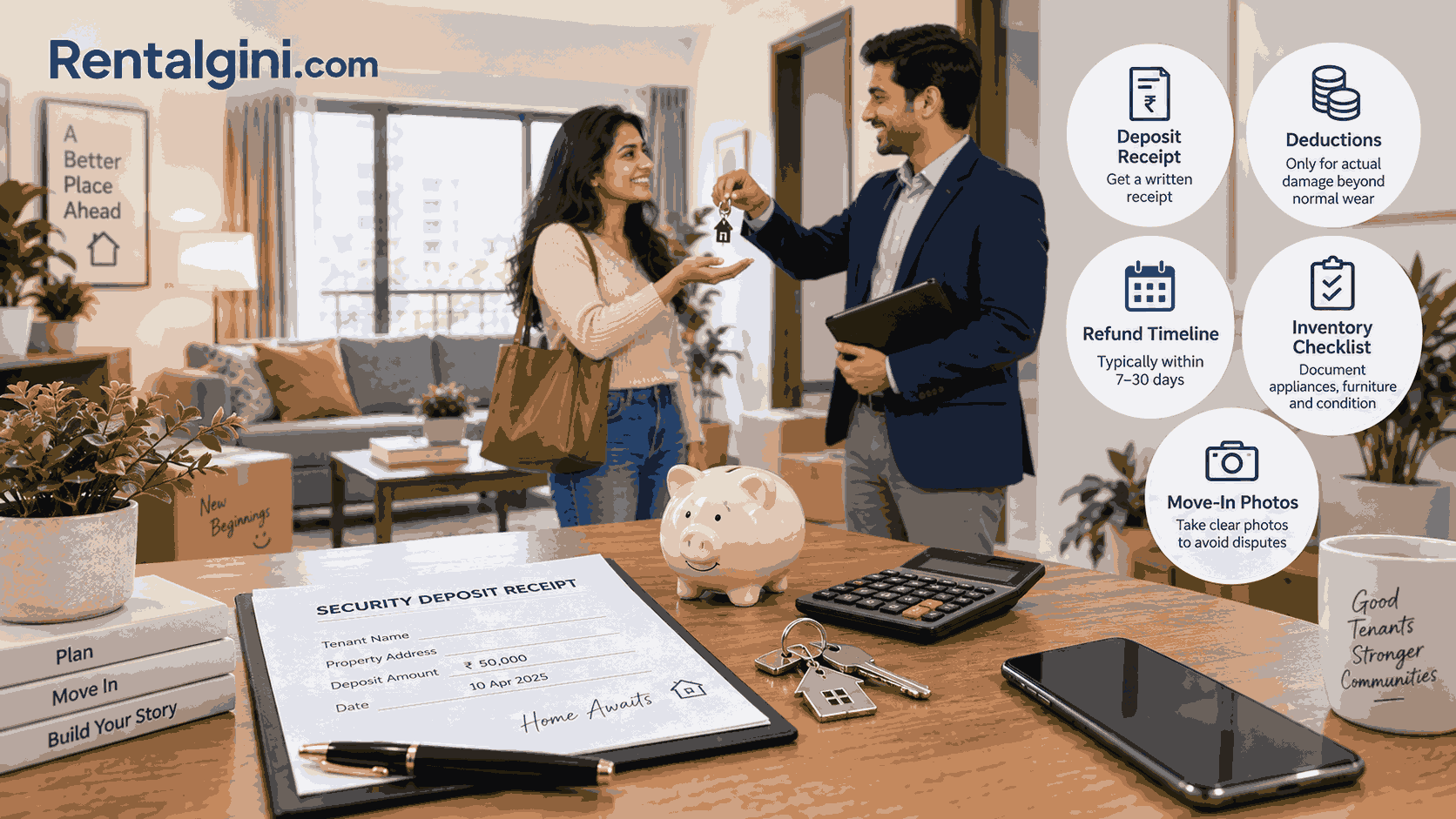
At this stage, the agreement is finalized and signed by both parties based on the terms and conditions finalized. This is when all the required supporting documents, which are submitted by the prospective tenant such as ID proofs, background checks, and deposit receipts, are collected and verified as per the requirements.
3. Active tenancy period
Once the tenant moves into the property, the lease agreement becomes a living document and all the terms and conditions are enforceable as per law. All the monthly rental payments, maintenance requests by the tenant, and any agreed-upon reviews all are conducted during this stage itself.
4. Renewal or rent escalation
Most leases include a renewal window or a scheduled monthly rent increase, which is an important time that needs to be remembered. It is important that this should not be missed by the property owners, as missing this window either locks a landlord into outdated rent for another term or creates confusion if the required information is not communicated in a timely manner.
5. Termination or move-out stage
Whether a tenant leaves at the end of the agreement term or breaks the lease at an early stage, this involves final inspection of the property, security deposit settlement, and closing out the agreement properly as per the terms and conditions.
It is important to have all the important things discussed beforehand so that at the time of closure of the move-out stage there should not be disputes.
Why is Lease Management important?
For a single rental property, tracking a lease and all the documentation manually might feel manageable. An Excel sheet, a calendar reminder, maybe a folder of documents can work out. But when you are managing multiple units, it is important that all these properties need to be managed effectively in terms of the renewal of the agreements, rent collections, and all.
Effective lease management matters because it directly affects the following factors:
- Cash flow: The rent escalations that are missed due to lack of information or follow-up mean lost income, which is difficult to recover.
- Tenant relationships: It is important that clear & specific communication about lease terms is provided to the tenants every time, which helps to build trust and reduces disputes in the future.
- Legal protection: It is important that there should be proper documentation and compliance tracking in order to protect owners if there are any disagreements that get escalated.
- Time: It takes a lot of time to chase down paperwork or reconstruct leasing history that can directly go towards growing a portfolio instead of maintaining it.
Practical Tips for Effective Lease Management
The following are some easy to do method that can be implemented for better lease management.
- Set reminders for 60 & 90 days before renewal of the agreement, not just when the lease agreement is about to expire.
- Keep all lease documents stored in one place digitally along with consistent naming.
- Escalation clauses should be reviewed annually so that the increases are not missed or misapplied.
- It is necessary to document each and every amendment in writing, even if there are any informal agreements that are made over a call.

Aditya Bhople
Content WriterAditya Bhople contributes practical rental and real estate guidance for RentalGini.
Want more tenant enquiries?
List your space on RentalGini and help renters compare your property with clear details.